
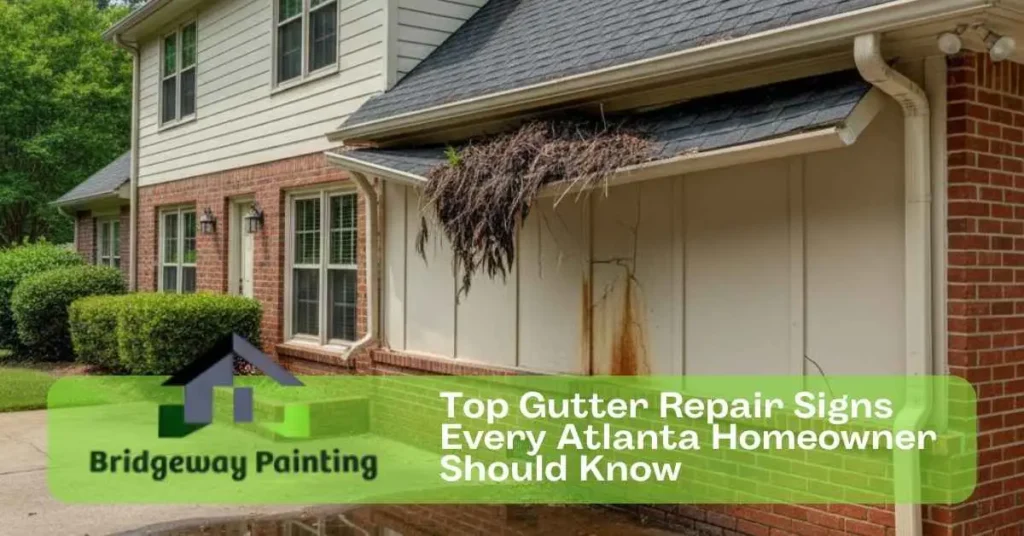
Atlanta receives heavy rainfall throughout the year, along with seasonal storms and falling leaves that put constant pressure on residential gutter systems. When gutters work properly, they direct rainwater away from your roof, siding, foundation, and landscaping.
When they fail, water quickly finds its way into places it doesn’t belong. Small gutter issues can turn into roof leaks, mold growth, foundation cracks, and expensive structural repairs.
Knowing the early signs of gutter damage allows Atlanta homeowners to act fast and avoid major problems.
A Common Atlanta Gutter Problem
A homeowner in East Atlanta noticed water spilling over the edges of their gutters during heavy rain. At first, they assumed it was just a clog. Weeks later, dark stains appeared along the siding, and water started pooling near the foundation.
A professional gutter inspection revealed loose sections, hidden cracks, and misaligned downspouts. After professional gutter repair, water flowed correctly again and the home avoided serious foundation damage.
This is a typical scenario for Atlanta homes; minor gutter problems can quickly escalate without timely repairs.
Why Gutter Issues Should Never Be Ignored
Damaged gutters can cause:
- Roof and fascia board rot
- Basement leaks and flooding
- Mold and mildew growth
- Foundation settling or cracking
- Landscape erosion
- Pest infestations
Professional gutter repair restores proper drainage and protects your entire home system.
Water Overflowing from Gutters
If water pours over the sides of your gutters during rain, something is wrong. Common causes include:
- Clogs from leaves and debris
- Sagging gutter sections
- Improper slope
Overflowing gutters allow water to run down siding and collect near your foundation. Professional gutter technicians clean, realign, and repair damaged sections to restore proper flow.
Sagging or Pulling Away Gutters
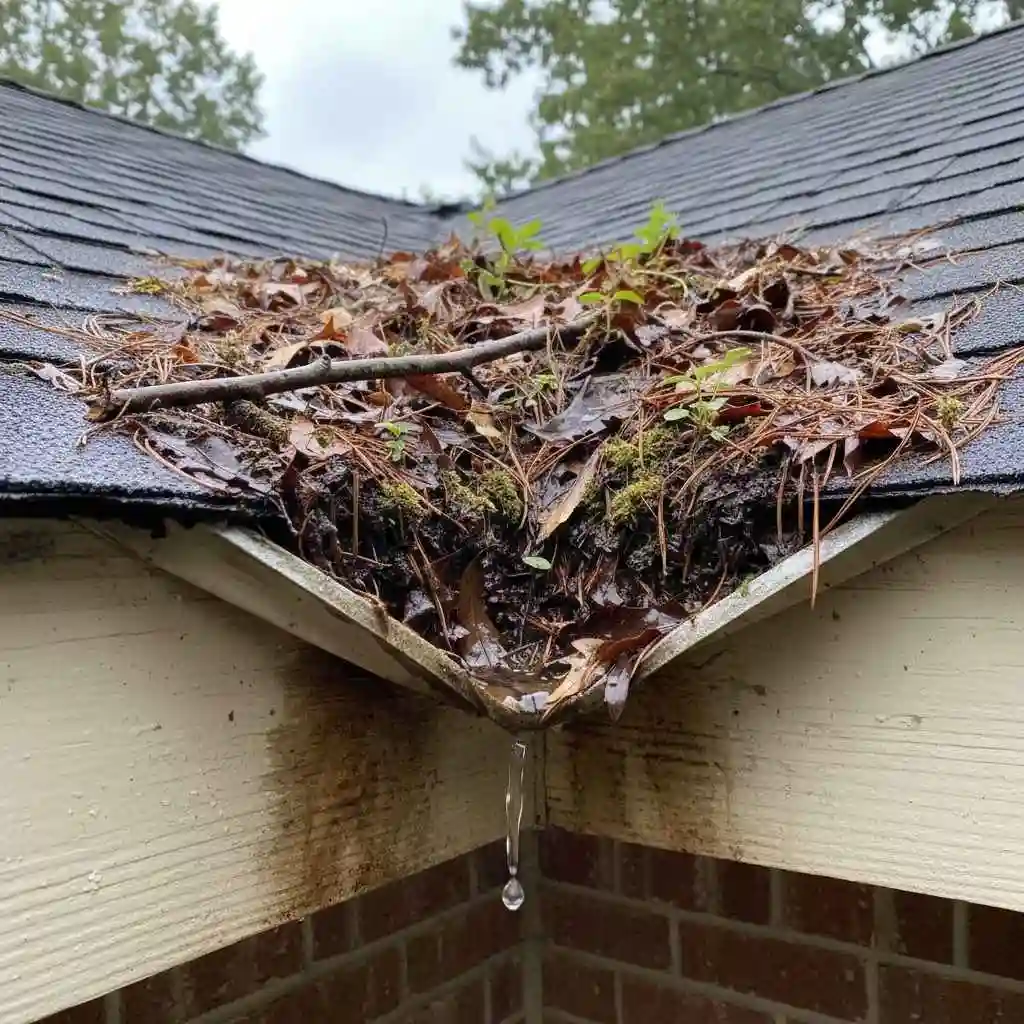
Gutters should sit securely along your roofline. If you notice them pulling away or sagging, it often means:
- Loose fasteners
- Rotting fascia boards
- Excess weight from debris
This is a major warning sign. Sagging gutters can collapse entirely during heavy Atlanta storms. Professional repair crews reinforce attachments and replace weakened sections.
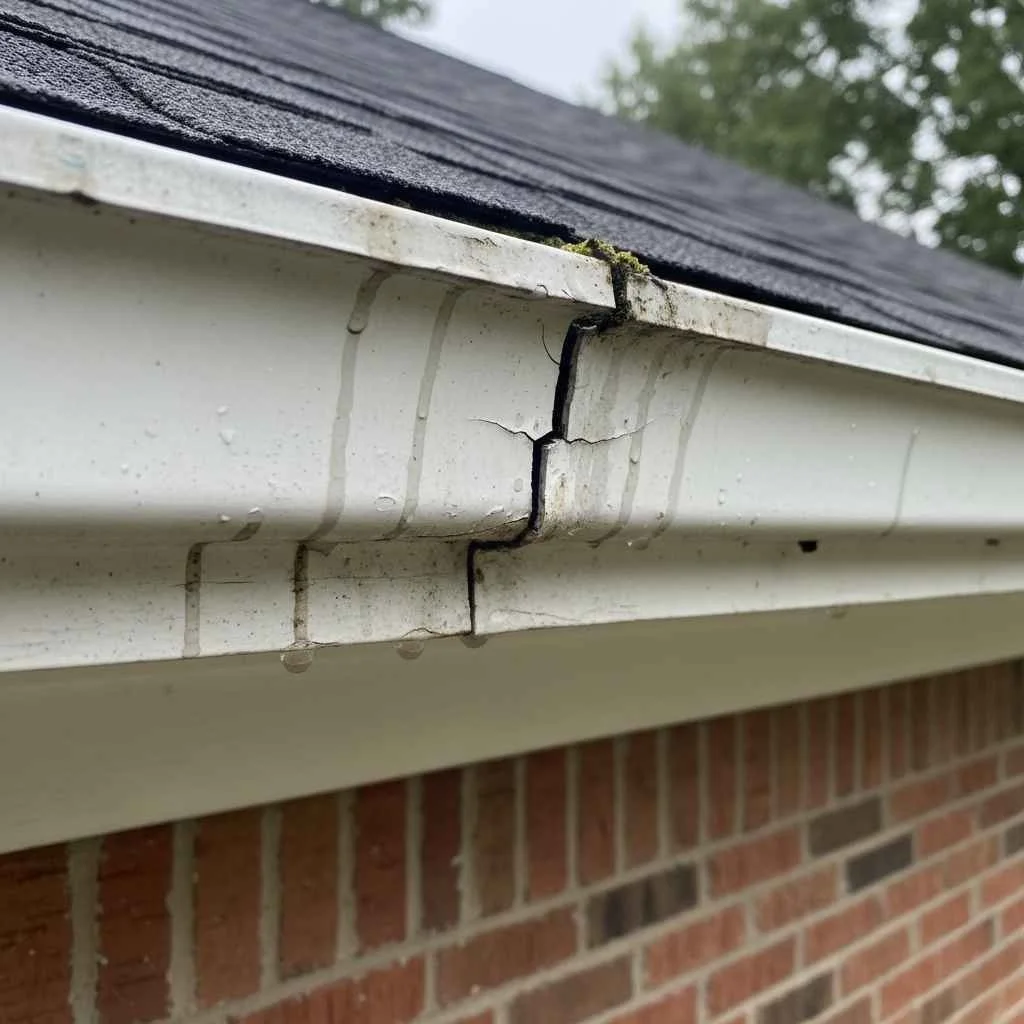
Cracks, Holes, or Rust Spots
Small cracks or pinholes may not seem serious, but they allow water to leak behind gutters and into your home. Rust spots indicate metal deterioration that will continue to worsen.
Professional gutter repair seals small openings and replaces corroded sections before major leaks develop.
Peeling Paint or Water Stains on Siding
If paint is bubbling, peeling, or stained near your gutters, it usually means water is escaping where it shouldn’t.
This often points to:
- Leaking seams
- Blocked downspouts
- Misaligned gutters
Professional repairs stop leaks and protect your siding from further damage.
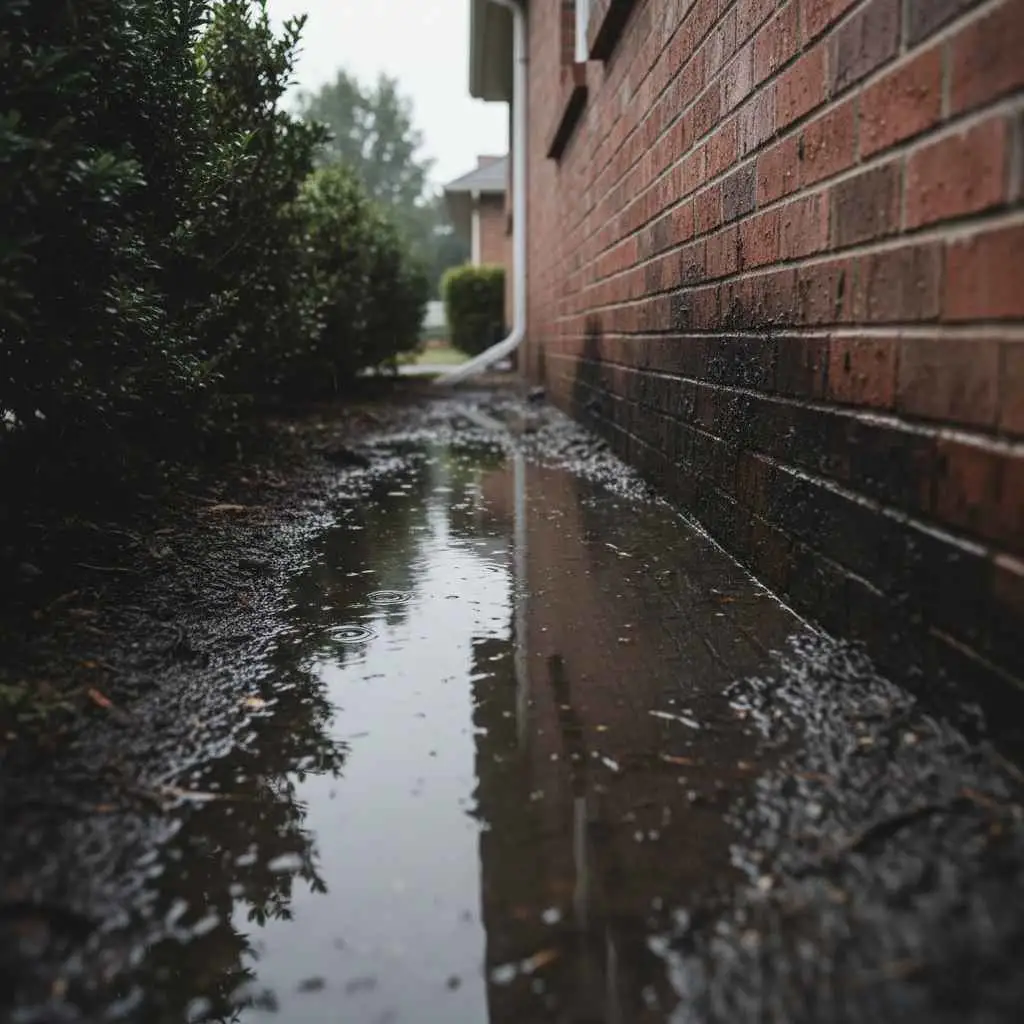
Pooling Water Around the Foundation
Water collecting near your home’s foundation is a serious issue. It increases the risk of:
- Basement leaks
- Soil erosion
- Structural movement
Gutter repair specialists adjust slopes, repair downspouts, and extend drainage to move water safely away from your home.
Mold or Mildew Around Gutters
Dark streaks, mold growth, or mildew around gutters and soffits indicate constant moisture. Atlanta’s humid climate makes this problem worse.
Professional gutter repair eliminates the source of moisture and helps prevent future mold growth.
Detached or Missing Downspouts
Downspouts are just as important as gutters. If they’re loose, disconnected, or missing, water cannot drain properly.
Professional gutter services reattach or replace downspouts to ensure proper water direction.
Gutters Overflow Even After Cleaning
If your gutters still overflow after being cleaned, the problem is likely structural.
Possible issues include:
- Incorrect pitch
- Crushed sections
- Hidden internal blockages
A professional inspection identifies and fixes these problems.
Why Professional Gutter Repair Is the Best Choice
DIY patch jobs often provide temporary relief but fail to address underlying problems. Professional gutter technicians offer:
- Full system inspections
- Proper sealing and reinforcement
- Precise realignment
- Long-lasting repair solutions
This ensures your gutters perform correctly through Atlanta’s heavy rains and storms.
How Often Atlanta Homes Should Get Gutter Inspections
Most Atlanta homeowners should schedule gutter inspections:
- At least twice per year
- After major storms
- When any warning signs appear
Regular inspections catch small issues before they become expensive repairs.
Benefits of Timely Gutter Repair
- Protects roof and fascia boards
- Prevents foundation damage
- Extends gutter lifespan
- Improves curb appeal
- Saves money long-term
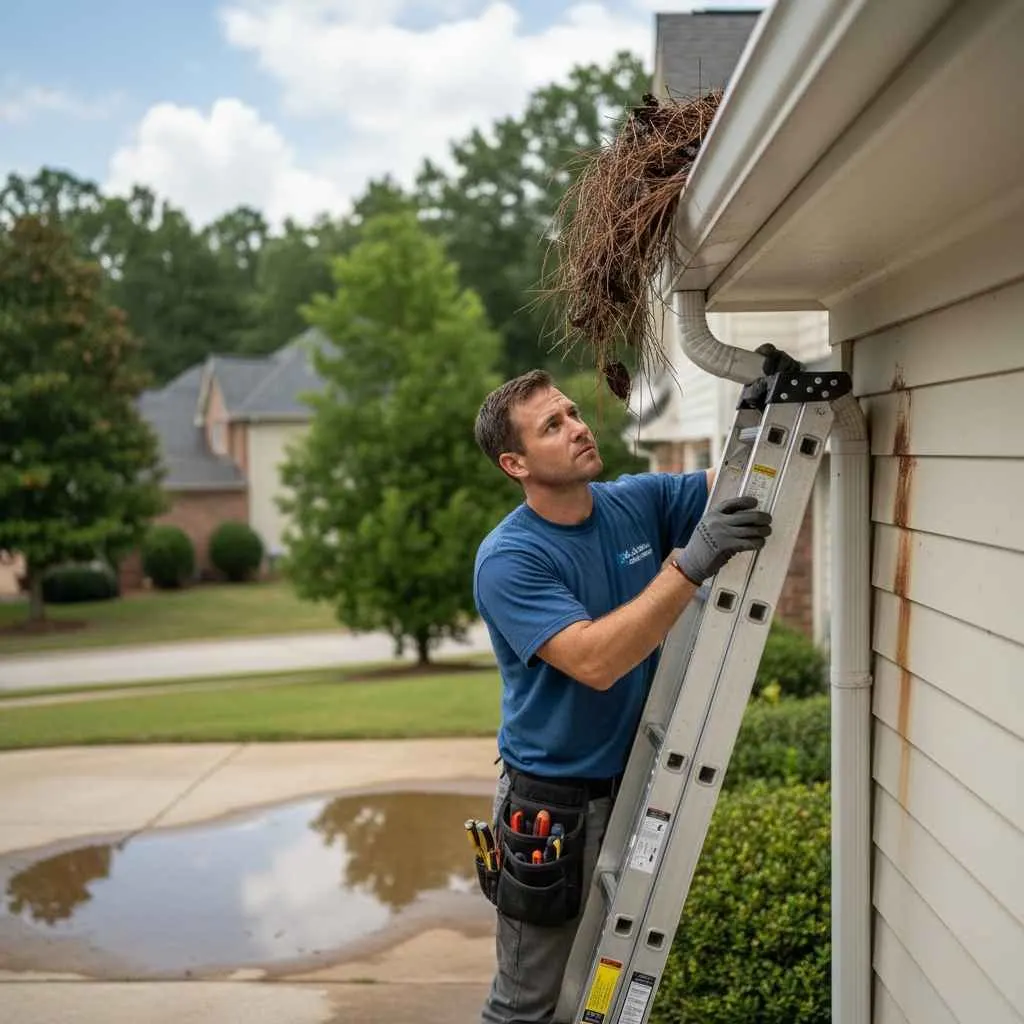
Choose a Trusted Atlanta Gutter Repair Service
Look for professionals who provide:
- Local experience
- Licensed and insured service
- Detailed inspections
- Honest repair recommendations
- Clear pricing
Working with an experienced Atlanta gutter repair company ensures your home stays protected year-round.
Protect Your Atlanta Home Today
Your gutter system is one of the most important defenses against water damage. Recognizing early warning signs and scheduling professional gutter repair keeps your home safe, dry, and structurally sound.
Call to Action
If you’ve noticed any of these gutter warning signs, don’t wait. Contact us today for professional gutter repair services in Atlanta.
Call now, schedule your inspection, or request a free quote to protect your home from costly water damage.